
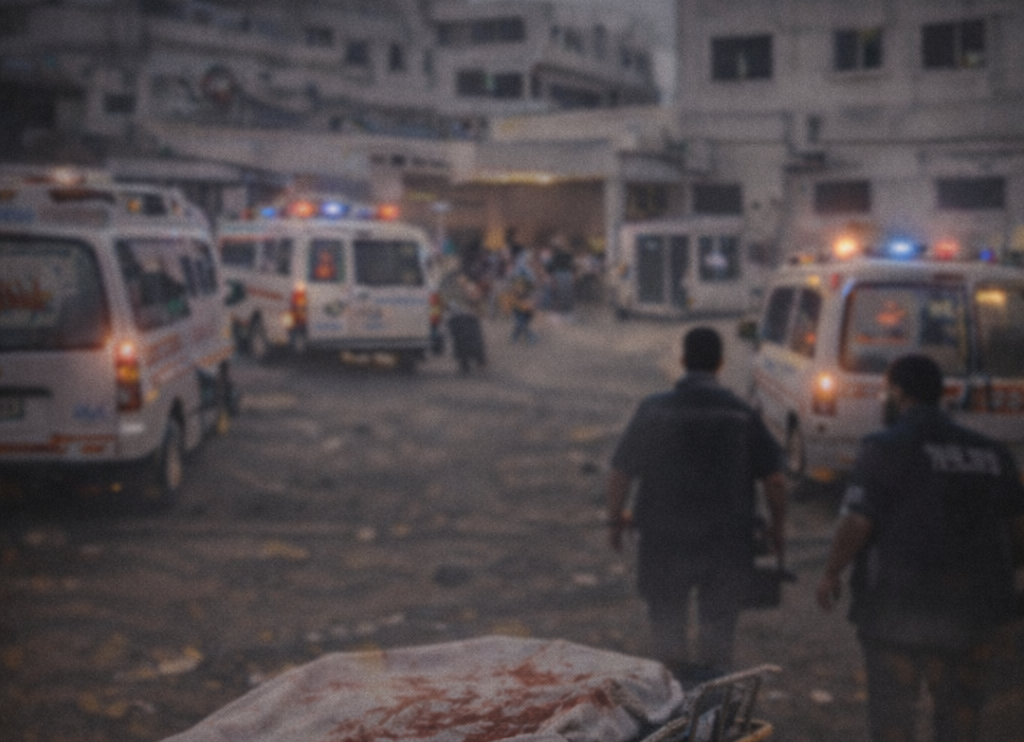
The World Health Organization (WHO) has issued a stark humanitarian warning that more than 18,500 people in the Gaza Strip — including about 4,000 children — still urgently need medical evacuation due to the collapse of health services and overwhelming injuries sustained during years of conflict. WHO Director-General Tedros Adhanom Ghebreyesus called on more countries to open their doors to patients in need of lifesaving care and to restore evacuation routes to the West Bank, including East Jerusalem.
Speaking on Monday, Tedros said WHO recently supported the evacuation of 18 patients and 36 companions from Gaza to Jordan, where they received specialised treatment for trauma, cancer and other serious conditions. Since October 2023, more than 10,700 patients have been medically evacuated to over 30 countries, he noted. Despite this, “over 18,500 people still urgently need medical evacuation,” a figure that includes thousands of children and critically ill patients who cannot receive adequate care inside Gaza.
Health System Collapse and Urgent Needs
Gaza’s healthcare system has been under severe strain for years as infrastructure has been decimated by ongoing hostilities and access restrictions. Hospitals have lost capacity, medicines and equipment are in short supply, and many specialised treatments — from cancer care to advanced surgery — are unavailable locally. WHO and partner agencies have repeatedly sounded alarms about the lack of care available for war-related injuries, chronic conditions and critical illnesses.
The director-general’s appeal highlighted the importance of reopening evacuation corridors to both neighbouring countries and the West Bank, where medical facilities are better equipped. The restoration of such routes is seen as a vital lifeline for patients whose conditions may otherwise deteriorate or prove fatal.
Global Response and Humanitarian Call
WHO’s appeal comes amid broader international concern about the humanitarian situation in Gaza, where widespread infrastructure damage has limited access to essential services beyond medical care — including clean water, sanitation and shelter. Humanitarian organisations and rights groups have urged expanded global cooperation, noting that without increased evacuation capacity and humanitarian access, thousands more lives could be lost to preventable causes.
The international health community continues to press for coordinated efforts among governments and multilateral organisations to address the medical emergency in Gaza, emphasising that timely evacuation to specialised care can mean the difference between life and death for those suffering severe injuries and conditions.


Leave a Reply