
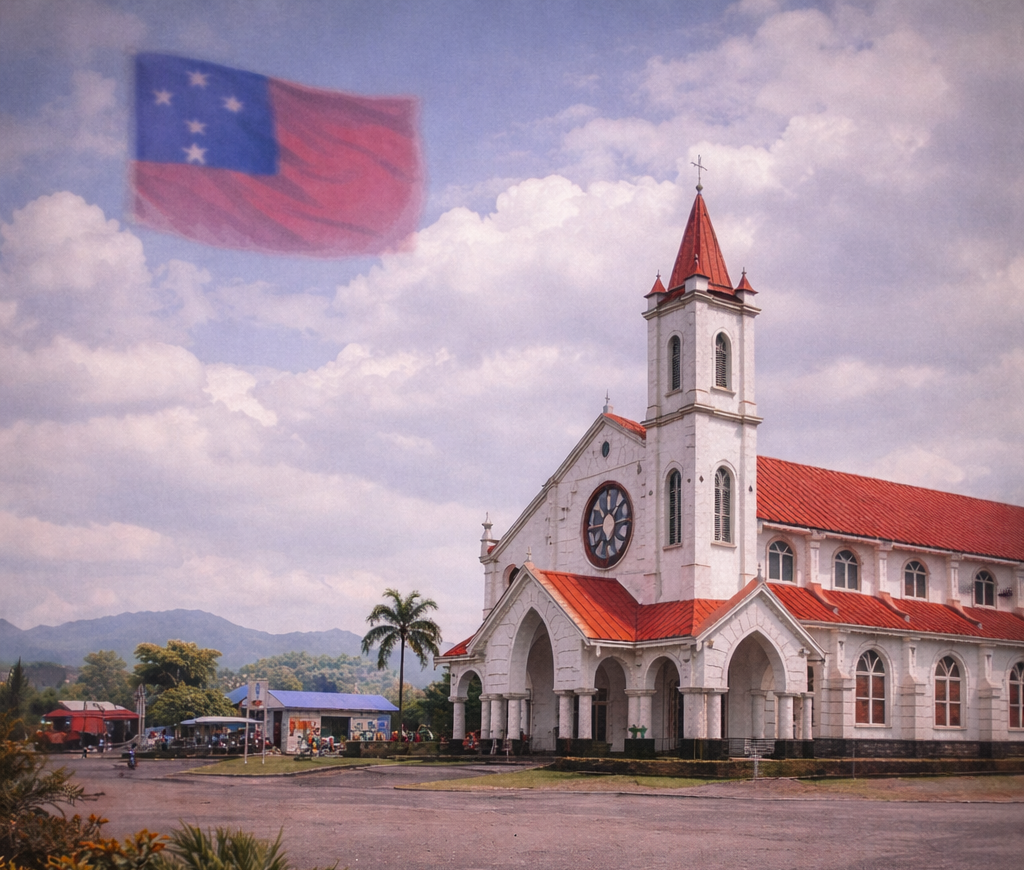
SAMOA — Samoa’s new prime minister, Laaulialemalietoa Polataivao Fosi Schmidt, has sparked national and international concern by signalling intentions to consider restrictions on non-Christian faiths in the Pacific island nation, raising questions about religious freedom and minority rights in a country where the vast majority of the population is Christian.
Since his election in August 2025, the prime minister has emphasised a “God-centred leadership” and proposed that Samoa might need to rethink its constitutional protections for religious freedom to “protect” its Christian identity and prevent future conflict. This has alarmed leaders of smaller religious communities, including Muslims and Baha’i adherents, who have practised their faiths peacefully in Samoa for decades without major tensions.
Government Position and Proposed Changes
Laaulialemalietoa has publicly argued that Samoa should avoid the religious divisions seen in other parts of the world and has suggested that it might be necessary to amend constitutional guarantees of religious freedom — possibly through a referendum or national consultation — to restrict the practice of non-Christian faiths. His government has also backed measures such as mandatory weekly fasting and prayer for public servants and a Sunday construction ban, reflecting its deeply faith-based policy approach.
The prime minister has engaged the Samoa Council of Churches to advise on future religious freedom laws, signalling that the nation’s established Christian institutions could help shape any potential changes. However, it remains unclear what concrete legal steps, if any, will be taken or how these would affect the everyday lives of religious minorities.
Concerns from Experts and Communities
Critics, including former leaders and legal experts, have warned that the Samoan prime minister may not have the parliamentary majority needed to amend the constitution and that such changes could contravene long-standing guarantees of religious freedom. Samoa’s constitution currently affirms the right to choose and practise one’s religion, even though the nation formally describes itself as Christian in its constitutional text.
Opposition figures and scholars have described the prime minister’s proposal as discriminatory and risky for social cohesion, noting that Samoa’s small Muslim, Baha’i and other communities have historically coexisted peacefully with Christians. Observers also say that framing religious policy around international conflicts — such as tensions in the Middle East — may be disconnected from Samoa’s own lived experience of religious diversity.
Religious Minorities in Samoa
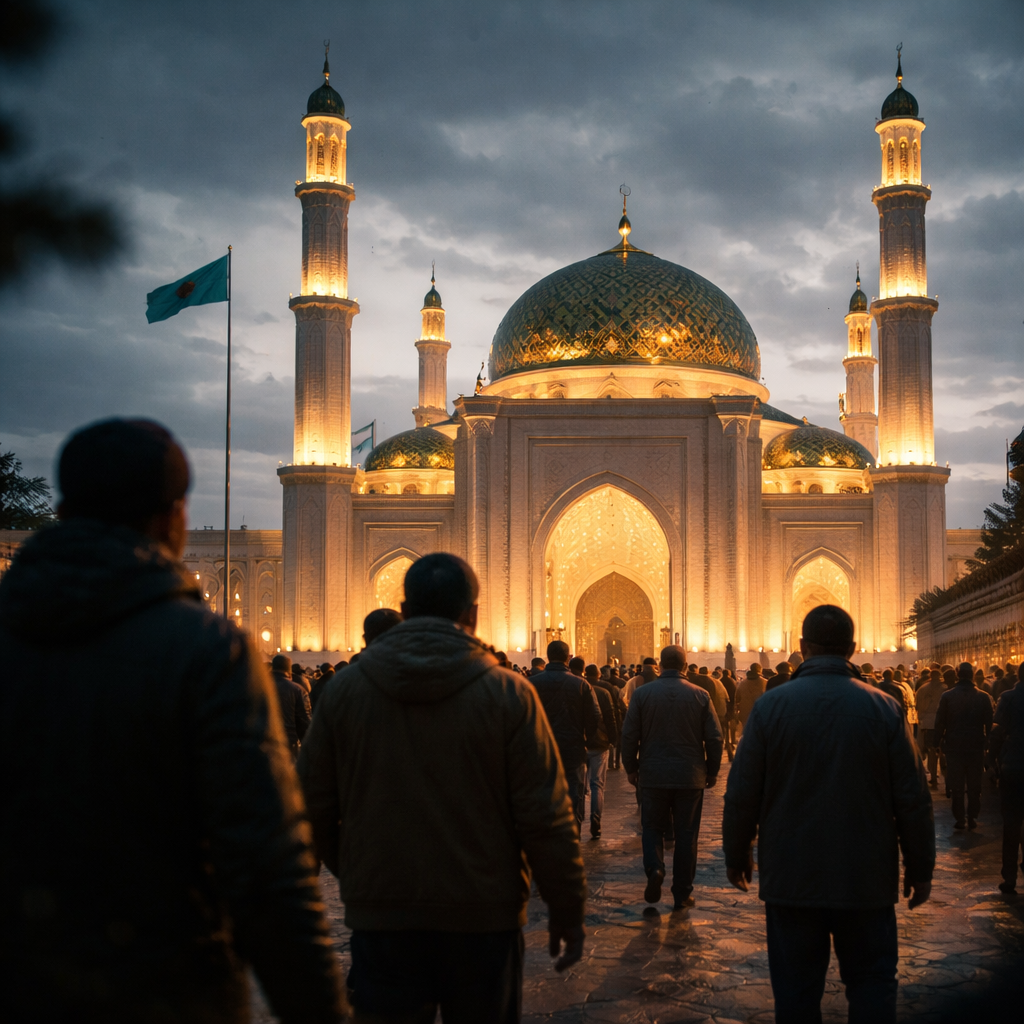
Muslims in Samoa — estimated at around 200 people — practice their faith quietly and say they neither seek conflict nor expect preferential treatment, but they are concerned that new laws could marginalise them. Baha’i communities and other small faith groups, while similarly tiny, contribute to Samoa’s plural social fabric and could also be affected by any legal overhaul.
International and Human Rights Perspectives
Samoa’s potential shift toward restricting religious practice has drawn attention in wider debates about human rights and constitutional protections. Pacific civil society advocates emphasise that freedom of religion — including for minority faiths — is a core human right and should be protected even in societies with dominant religious traditions. Critics argue that legislative pressure to favour one religion in law could set concerning precedents for other rights protections, as seen in broader discussions about religious freedom globally.
Islamic Ethical Reflection on Freedom and Respect
Islamic teachings uphold the freedom of conscience and the dignity of every individual’s faith choice. In The Quran, believers are reminded that “there is no compulsion in religion,” a principle emphasising respect for diverse belief systems and personal conviction.
Teachings in Hadith Books underscore the Prophet Muhammad’s ﷺ emphasis on respecting others’ rights, including those of religious minorities, and promoting peaceful coexistence. Narratives from The Seerah illustrate historical moments when early Muslim communities navigated diverse societies with mutual respect and reciprocal recognition of different faiths.
These ethical foundations resonate with broader human rights norms and inform why many advocate for safeguarding constitutional protections for all faiths, irrespective of majority status.


Leave a Reply