
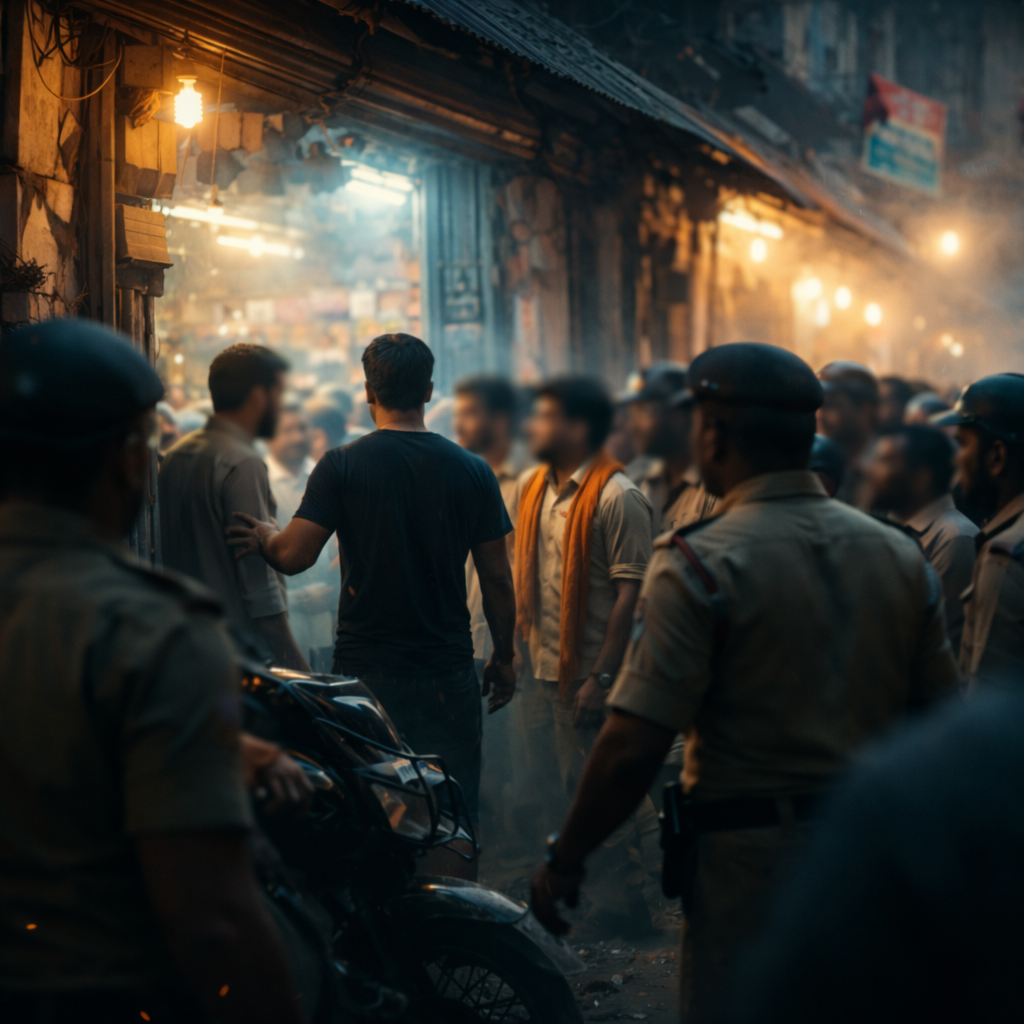
India — Police in Uttarakhand have registered multiple cases after a dispute in Kotdwar escalated from a confrontation over a Muslim shopkeeper’s signboard into protests and competing allegations from different sides, according to Indian media reports. (Source – The Times of India, February 1, 2026; The Indian Express, February 1, 2026)
Reports said the incident began on January 26 in a market area when a group identified in complaints and media coverage as members of Bajrang Dal objected to a Muslim-owned shop using the word “Baba” in its name and pressed the owner to change it. The shopkeeper has been identified as 70-year-old Vakeel Ahmed, and the shop was described in reports as operating under a similar name for years. (Source – The Times of India, February 1, 2026; The Indian Express, February 1, 2026; The Wire, February 1, 2026)
A local gym owner, Deepak Kumar, intervened during the argument, and video of the exchange circulated widely online. In the footage cited by multiple outlets, Kumar challenges why the word could be used by some shopkeepers but not by Ahmed, and at one point answers a demand for his name by saying, “My name is Mohammad Deepak,” which he later said was intended to underline equality before the law rather than a statement about his religion. (Source – The Indian Express, February 1, 2026; Hindustan Times, February 1, 2026; The Wire, February 1, 2026)
After the clip spread, reports described further gatherings and sloganeering against Kumar, and he said he faced intimidation and threats toward his family. Police officials told reporters they had received complaints and were identifying people involved, while urging calm amid heightened tensions. (Source – The Wire, February 1, 2026; Hindustan Times, February 1, 2026)
Police cases filed on rival complaints
Police have registered three separate FIRs tied to the episode, according to reporting that cited district police. One complaint, filed by a Bajrang Dal member, alleged that Kumar and others assaulted activists and took cash and personal items; police registered a case under sections of the Bharatiya Nyaya Sanhita based on that allegation. Those claims have not been independently verified, and Kumar has disputed the framing of events in public statements carried by media outlets. (Source – The Times of India, February 1, 2026; Hindustan Times, February 1, 2026)
A second complaint, filed by the shopkeeper’s son, alleged that activists entered the shop, threatened Ahmed, and warned of consequences if the shop name was not changed; police invoked provisions that include trespass and intimidation, according to reports. The complaint as quoted in coverage identifies the visitors as claiming affiliation with Bajrang Dal. (Source – The Times of India, February 1, 2026; The Wire, February 1, 2026)
A third case was filed by police after a later gathering outside Kumar’s gym allegedly blocked a highway and raised provocative slogans, with police citing public-order concerns. A senior police official in Pauri Garhwal district was quoted as saying separate cases were registered on different complaints and investigations were ongoing, with no further incident reported after a police flag march. (Source – The Times of India, February 1, 2026)
For many Muslims who run small businesses, the episode has drawn attention to how quickly a local dispute over identity markers can become a pressure point in daily commerce—especially when demands are backed by threats, crowd mobilisation, or public shaming. Community members and local traders quoted in reports expressed surprise that a long-running shop name became contentious, reflecting wider anxieties about stability, equal protection, and the right to work without intimidation. (Source – The Times of India, February 1, 2026; The Wire, February 1, 2026)
Islamic and Ethical Context
In Islamic ethics, protecting people from harassment and standing against intimidation aligns with the broader Qur’anic emphasis on justice, fairness, and safeguarding the dignity of every person. The Quran repeatedly frames public life around principled conduct, including honesty in dealings and refusing to normalise harm—values that are especially relevant when disputes spill into threats against livelihood.
Hadith Books also emphasise responsibility toward neighbours and the obligation to prevent wrongdoing in a way that limits harm and avoids collective punishment or scapegoating. When ordinary disagreements are pursued through coercion rather than lawful process, it undermines social trust and can deepen fear among minorities.
The Seerah contains well-known examples from the Prophet Muhammad (Peace be upon Him) of building social cohesion through restraint, due process, and the protection of vulnerable people, especially when emotions ran high. In modern civic terms, that translates into insisting that disputes be handled through clear legal channels—without intimidation, threats, or selective pressure based on identity.


Leave a Reply