
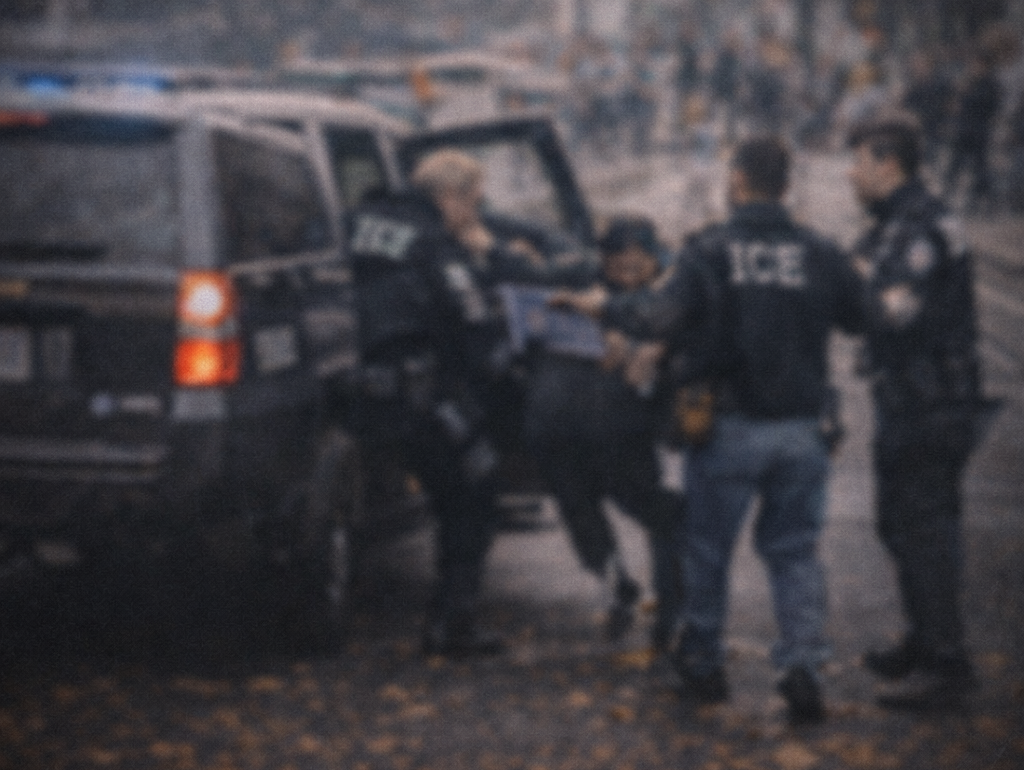
MINNEAPOLIS, USA — A video showing a Bangladeshi-origin woman being forcibly removed from her car by U.S. Immigration and Customs Enforcement (ICE) agents in Minneapolis has sparked public outcry, coming days after the death of another woman at the hands of an ICE officer and amid ongoing protests over federal immigration enforcement tactics.
The woman, Aliya (or Aliyah) Rahman, 42, a Minneapolis-based technology professional with roots in Bangladesh, was filmed on January 13, 2026, being removed from her vehicle by ICE officers during an enforcement operation. The footage, which has circulated widely on social media, shows agents breaking a window and pulling her from the car while she repeatedly insisted she was disabled and trying to reach a medical appointment.
Rahman, who is U.S.-born and has worked in community and racial justice circles, was detained by ICE amid a broader federal operation in the city — part of a controversial surge in immigration enforcement that has drawn national attention. In video clips of the incident, she can be heard asserting her disability status as agents handcuffed her and led her away, while bystanders shout and protest the use of force.
Context: ICE Enforcement and Local Anger
The Minneapolis encounter unfolded less than a week after 37-year-old Renee Nicole Good was fatally shot by an ICE agent during an enforcement action on January 7, 2026, a confrontation that ignited protests and public debate about federal immigration tactics. Good’s death — which authorities have described as self-defense — occurred when she was stopped in her vehicle near a residential street during an ICE operation. The shooting has prompted legal challenges, political criticism and increased scrutiny of immigration enforcement methods.
Rahman’s detention has become part of that broader story. While authorities have asserted that she may have obstructed federal operations, civil liberties advocates argue that the manner of her removal — captured in video and widely shared — highlights excessive force and raises concerns about civil rights protections during immigration enforcement.
The incident has also fueled tensions within Minneapolis, a city still reeling from the shooting death of Good and the subsequent intensification of federal operations there. Local activists and community members have organised protests calling for accountability and greater oversight of ICE actions in the region.
Human Rights and Legal Debate
Supporters of Rahman and civil rights lawyers say that enforcing immigration laws should not come at the expense of basic dignity and safety, particularly for individuals with disabilities or health needs. They note that use of force — including breaking car windows and forcibly extracting detainees — raises questions about adherence to both constitutional protections and federal civil rights standards.
ICE and the Department of Homeland Security have defended their broader operations, framing them as necessary law enforcement activities to uphold federal immigration statutes. However, critics contend that enforcement in urban settings without clear transparency or adequate engagement with local authorities can escalate tensions and undermine community trust.
The national debate over immigration enforcement and civil liberties, already highlighted by Good’s death, is likely to continue as this case and others move through legal and political channels. Advocacy groups are expected to monitor Rahman’s legal proceedings and to press for independent review of ICE conduct in Minneapolis and beyond.



Leave a Reply