
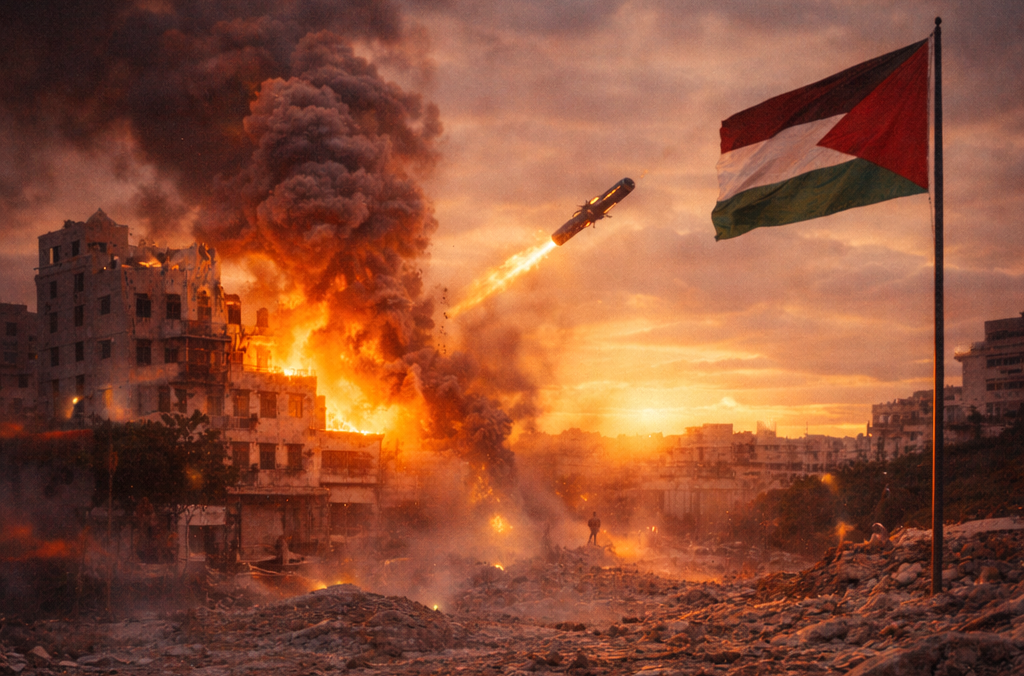
GAZA STRIP — At least 12 Palestinians were killed and 18 wounded in Israeli military strikes across the Gaza Strip, Palestinian health officials and local media report, underscoring persistent violence amid violations of a fragile ceasefire and the continued closure of the Rafah border crossing with Egypt. The strikes occurred in the past 24 hours, primarily around Khan Yunis and other densely populated areas of the blockaded territory.
According to Gaza’s health ministry, many of the dead and injured were civilians living in areas that have already suffered extensive destruction after more than two years of conflict and blockade. At least 10 people were killed in the most recent round of attacks, with additional casualties recovered from earlier bombardments.
Ceasefire Strains and Blockade
The violence comes amid widely reported violations of the ceasefire that began in October 2025, and negotiations surrounding its implementation and expansion remain fraught. Both sides — Israeli authorities and Palestinian factions including Hamas — have accused each other of breaching the terms of the truce, which was intended to reduce hostilities and allow a phased, negotiated transition toward reconstruction and political arrangements.
A major point of contention has been the status of the Rafah crossing between Gaza and Egypt, the strip’s only border point not controlled by Israel. Under multiple negotiated plans, including a U.S.-mediated framework, reopening Rafah is seen as essential to allowing civilians to leave for medical care and to enable humanitarian aid to enter more freely. Despite some early preparations and international pressure, the crossing has largely remained closed, complicating relief efforts for a population suffering shortages of food, medicine and reconstruction resources.
International diplomats and rights groups have repeatedly emphasised that the closure of Rafah exacerbates the humanitarian emergency, leaving hundreds of thousands of Palestinians without reliable access to lifesaving supplies, particularly in areas under siege or displacement.
Impact on Civilians and Humanitarian Needs
Local medical officials report that hospitals in Gaza are overwhelmed, with limited capacity to treat the influx of war-related injuries on top of chronic shortages of equipment and medicine. Limited aid flows through other crossings, but deliveries fall far short of the territory’s needs. Rights advocates warn that the continued violence and restricted access to essential services require sustained international attention and diplomatic engagement to prevent further loss of life.
Islamic Ethical Lens on Violence and Humanitarianism
Islamic teachings emphasise the sanctity of human life and the moral imperative to protect civilians and uphold justice. In The Quran, the sacred text of Islam, believers are reminded that “whoever kills a person — it is as though he has slain all mankind…” — a principle underscoring the gravity of harm to innocent life even amid conflict.
Guidance found in Hadith Books also stresses the protection of non-combatants and the importance of compassion and restraint in warfare, principles that inform longstanding Muslim ethical reflections on just conduct and the treatment of civilians.
Historical examples from The Seerah — the biography of the Prophet Muhammad ﷺ — show how early Muslim leadership navigated times of conflict with a focus on minimizing harm, supporting the vulnerable, and seeking peaceful resolutions whenever possible.
Understanding these teachings can help frame why many Muslim communities and global advocates emphasise humanitarian principles and rights protections while calling for an end to violence and unfettered access for aid.


Leave a Reply