
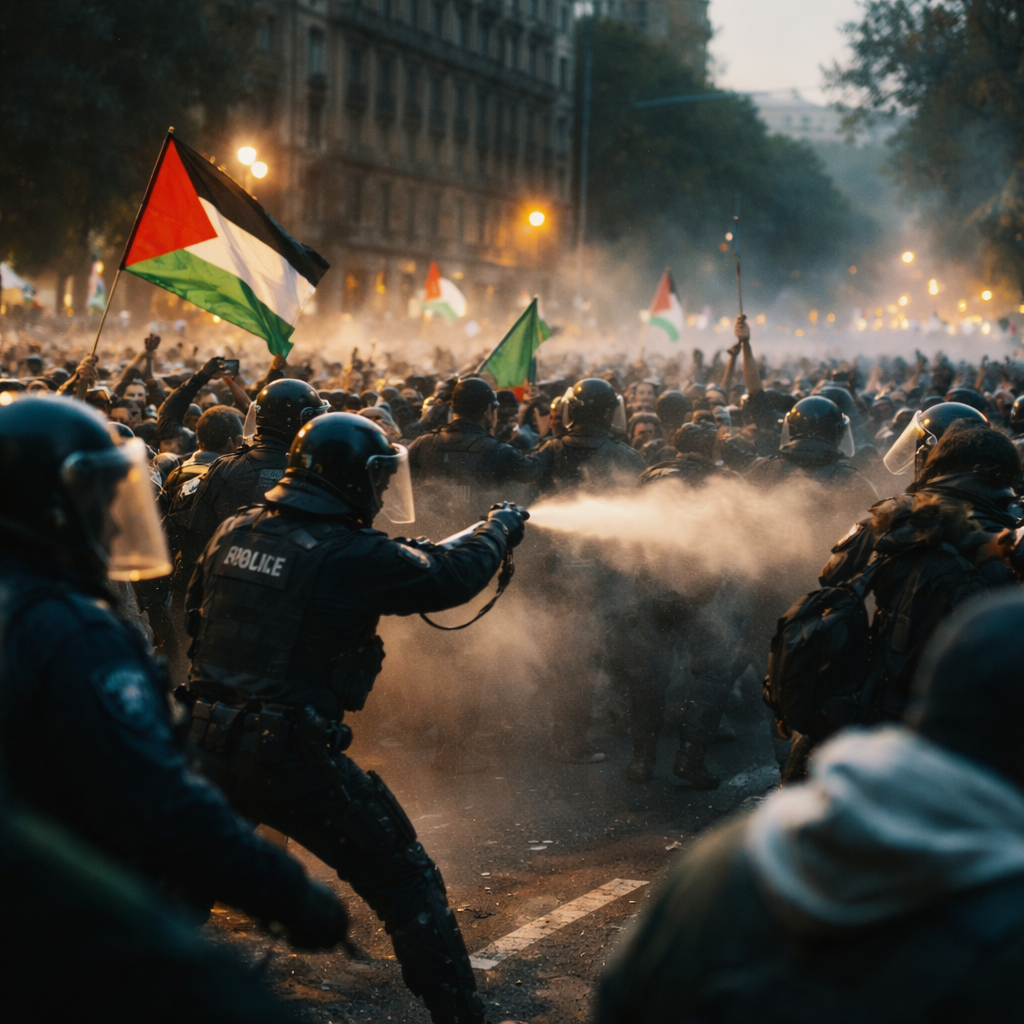
AUSTRALIA — New South Wales Police Force used pepper spray to disperse a large rally in Sydney opposing the visit of Isaac Herzog, after protesters attempted to march toward the state parliament despite temporary protest restrictions, according to police and multiple witnesses. (Source – Australian Broadcasting Corporation, Feb. 9, 2026; Reuters, Feb. 9, 2026)
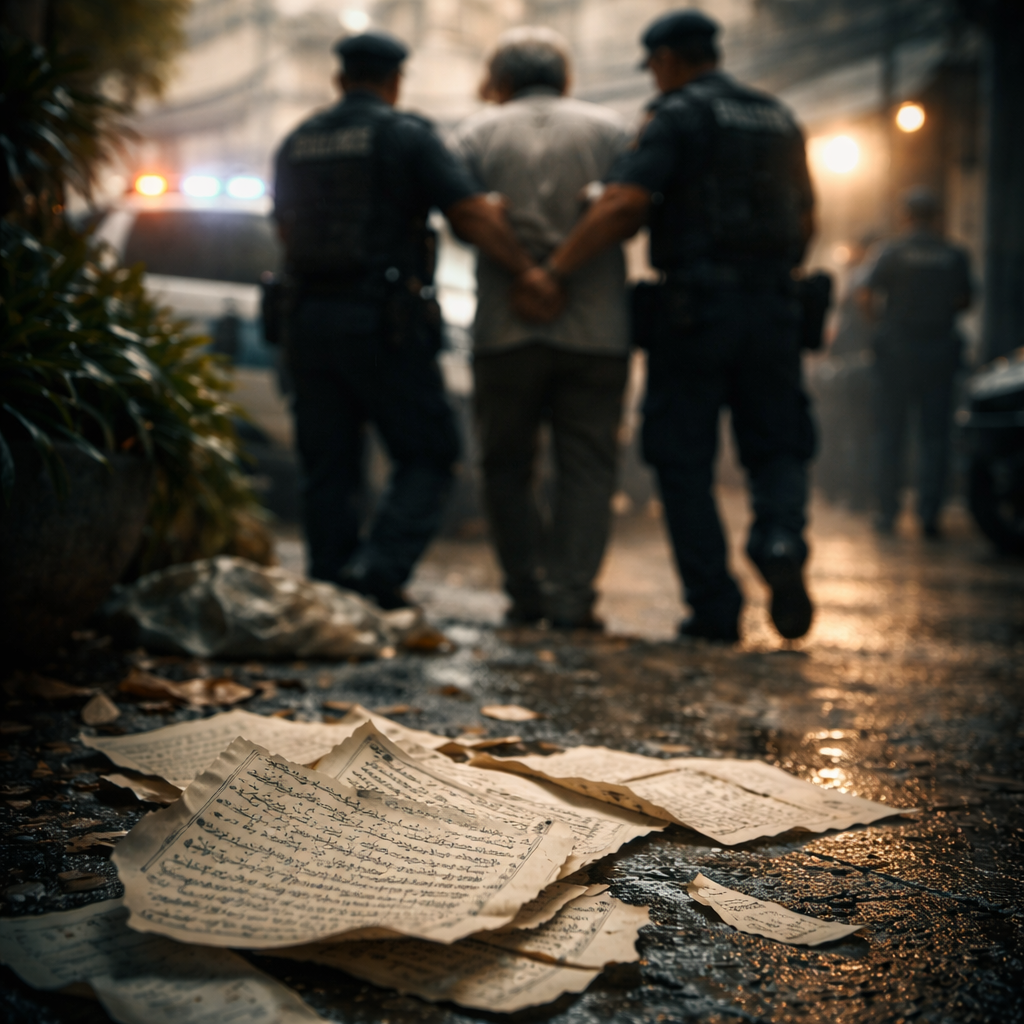
Police said 27 people were arrested and that 10 officers were assaulted, while medics treated demonstrators affected by pepper spray in the city centre. (Source – Australian Broadcasting Corporation, Feb. 9, 2026; SBS, Feb. 9, 2026)
The protest, organised by the Palestine Action Group, began near Town Hall and remained lawful before tensions escalated during negotiations over whether the crowd could proceed on the roadway, with police repeatedly directing people to disperse. (Source – The Guardian, Feb. 9, 2026)
Witnesses and lawmakers at the scene described scuffles as police moved in, with one state MP alleging officers punched and threw a person to the ground and another saying she was assaulted; police leadership later argued speakers’ rhetoric encouraged an unlawful march and said officers were managing heightened security during a visit involving an “internationally protected” guest. (Source – The Guardian, Feb. 9, 2026; Australian Broadcasting Corporation, Feb. 9, 2026)
Among high-profile speakers were Mehreen Faruqi and Grace Tame, with organisers and supporters framing the rally as opposition to Israel’s Gaza war and to what they described as restrictions on political expression. (Source – The Guardian, Feb. 9, 2026)
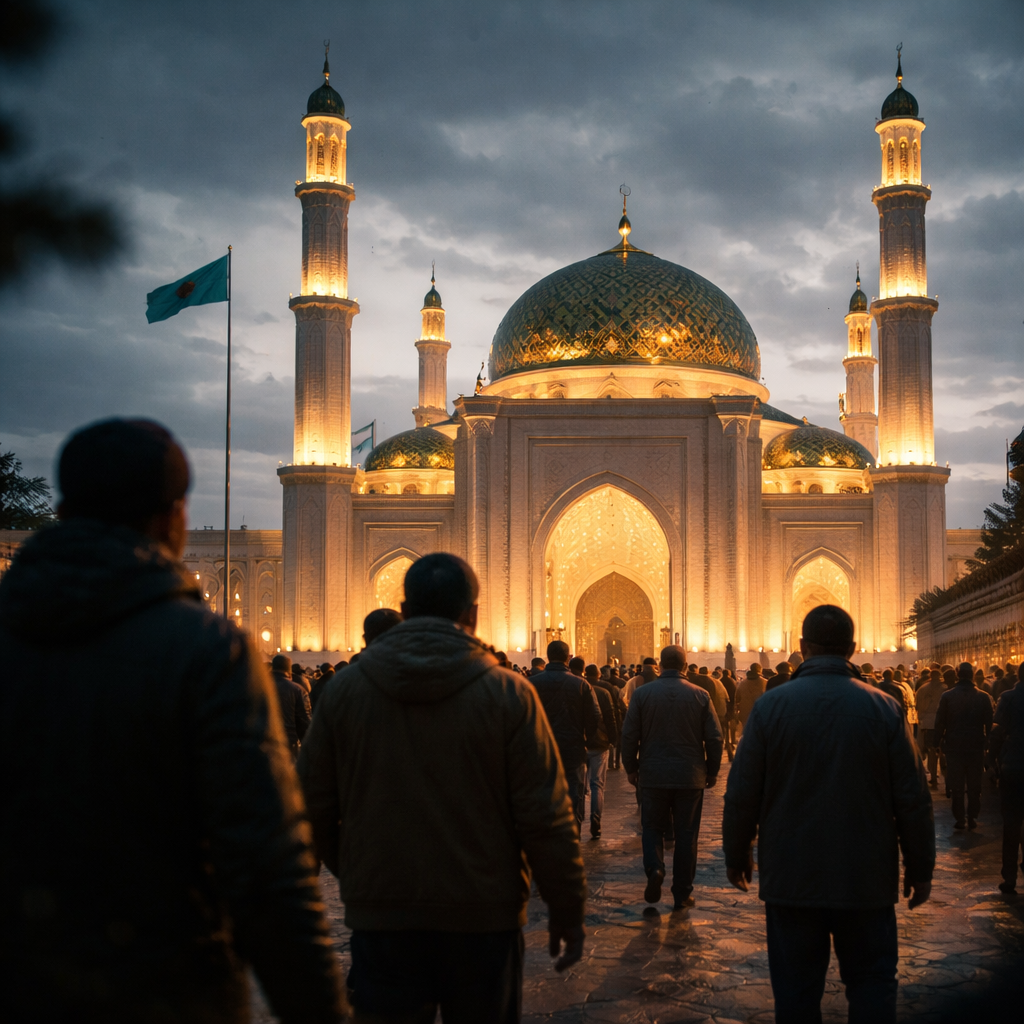
Footage and reporting from the scene also described police pushing media away and removing a group of Muslim men while they were leading a prayer during the unrest, an incident that has intensified concern among many Muslim and Palestinian Australians about how public-order tactics are applied at demonstrations involving their communities. (Source – SBS, Feb. 9, 2026)
Court backs expanded NSW police powers ahead of Herzog visit
The confrontation came hours after a court rejected a legal challenge to expanded policing powers declared for the duration of Herzog’s visit, under a “major event” framework that allows police to issue move-on directions, restrict access to certain areas, and conduct searches in designated parts of the city and nearby suburbs. (Source – The Guardian, Feb. 9, 2026)
The legal challenge argued the powers were overly broad for a political visit and risked curtailing protest, while the state government maintained the measures were necessary to prevent disorder and keep opposing groups apart following a deadly attack at a Hanukkah gathering in December 2025. (Source – The Guardian, Feb. 9, 2026; Reuters, Feb. 9, 2026)
Herzog’s visit to Australia has been described by officials as a solidarity trip with Jewish communities after the Bondi attack, and it drew protests in multiple cities, including Melbourne, where police also reported clashes. (Source – Reuters, Feb. 9, 2026; Al Jazeera, Feb. 9, 2026; The Guardian, Feb. 9, 2026)
Protesters have pointed to the ongoing international legal and political debate around Israel’s conduct in Gaza, including South Africa’s case at the International Court of Justice and prior UN findings and allegations related to incitement and potential violations, which Israel and Herzog have rejected. (Source – Australian Broadcasting Corporation, Feb. 9, 2026; Office of the United Nations High Commissioner for Human Rights, Sept. 16, 2025; Reuters, Jan. 9, 2024)
Islamic and Ethical Context
For many Muslims, public advocacy on Palestine is rooted in a broad Islamic duty to stand for justice and human dignity, while rejecting collective punishment and harm to non-combatants—principles that align with the Quranic insistence on fairness and accountability, even amid conflict and anger. References to The Quran in Muslim discourse around protests are often about moral clarity: opposing ظلم (oppression) while maintaining ethical restraint.
At the same time, Hadith Books and The Seerah describe how the Prophet Muhammad (Peace be upon Him) combined steadfastness with discipline—speaking truthfully, avoiding indiscriminate harm, and insisting that ends do not justify unethical means. In practical terms, that ethical frame pushes Muslim communities to defend lawful civic space, protect people from harm at demonstrations, and demand transparent standards from authorities, while also rejecting rhetoric or actions that could endanger the public or inflame hatred against any group.

Leave a Reply