
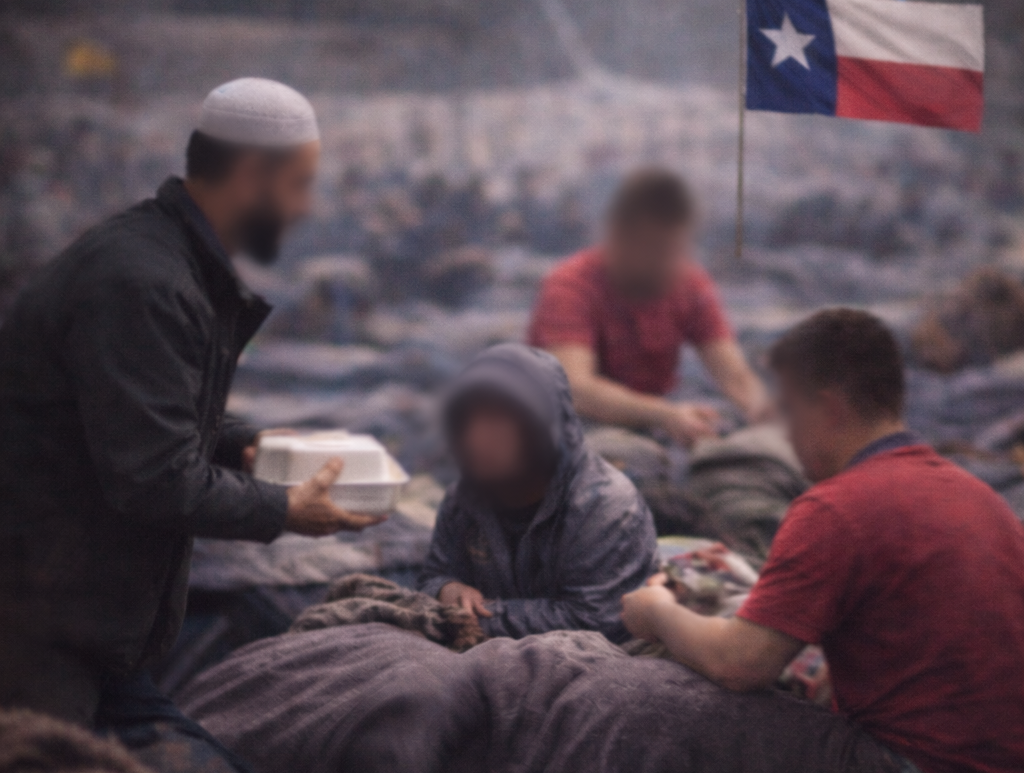
UNITED STATES — In Plano, Texas, the East Plano Islamic Center (EPIC) worked alongside local Christian churches to open an overnight warming shelter for people experiencing homelessness as a severe winter storm brought freezing temperatures and heavy rain to the Dallas-Fort Worth area. The interfaith effort provided cots, blankets and showers to hundreds of people in need, embodying community solidarity amid harsh weather conditions.
Volunteers from both Muslim and Christian organisations set up sleeping spaces and distributed warm clothing and supplies at the center’s warming station as temperatures plummeted. People seeking refuge from the cold expressed gratitude for a safe place to stay, saying the cooperation between faith communities made a tangible difference during the crisis.
Interfaith Service in Extreme Weather
The shelter, identified as Plano’s only overnight warming station during the worst of the storm, reflects a broader ethos of mutual assistance leveraged by religious groups when municipal resources are strained. One unhoused individual who stayed overnight said he appreciated the warmth and compassion shown by volunteers of different faiths, noting the shared human concern that transcended religious identity.
Local social service providers have observed that extreme weather — including winter storms that bring sleet, icy rain and sub-freezing temperatures — can pose life-threatening risks to people without stable housing, especially in parts of Texas where cold snaps are increasingly unpredictable. Collaborative shelters like the one in Plano aim to fill urgent needs while longer-term solutions are pursued.
Islamic and Interfaith Ethical Context
Islamic teachings emphasise compassion, hospitality and protection of the vulnerable, principles that motivate many Muslim-led humanitarian responses in crisis situations. In The Quran, believers are reminded that aiding those in distress is a cherished moral duty that reflects human dignity and community responsibility.
Guidance in Hadith Books underscores the Prophet Muhammad’s ﷺ repeated encouragement to help those in need — regardless of their background or belief — and to ensure safety, shelter and nourishment for the most vulnerable.
Historical narratives from The Seerah illustrate how early Muslim communities provided refuge and support to travellers, the poor and those facing hardship, establishing an ethical foundation for interfaith cooperation and social solidarity in times of emergency.

Leave a Reply